Phronisis is an initiative helping you improve critical thinking skills.
What is Phronisis
φρόνησις
/frόnisis/ · Ancient Greek
What Aristotle called practical wisdom: the ability to evaluate information and to be aware of biases or assumptions, including your own. Not just knowing what is true; knowing what to do about it.
Three things are happening at the same time. We produce more information than any person can meaningfully process. Our societies are becoming more polarised and more susceptible to populist narratives. And AI is accelerating all of it, in ways we are only beginning to understand.
The resources to address this do exist; but they tend to be theory-heavy, time-intensive, and disconnected from the things people actually deal with day to day. There is no Duolingo for critical thinking: no gradual, habit-building, real-world approach to becoming a clearer thinker.
Phronisis exists to fill that gap. The goal is to help people improve critical thinking skills by translating principles from philosophy, logic, and psychology into tools anyone can actually use. Practical. Accessible. Built for real life, not academic settings.
Context 01
The digital era produces more information than ever before. We live in an era of informational overabundance, which affects decisions, productivity, and well-being.
Context 02
Societies are polarising at an accelerating rate. Populist figures exploit "the system is broken" sentiment, and without better reasoning skills, the manipulation works.
Context 03
Everything is happening within a rapidly changing landscape. AI presents speculative signs of eroding critical thinking in humans, and we are not yet equipped to respond.
Founder
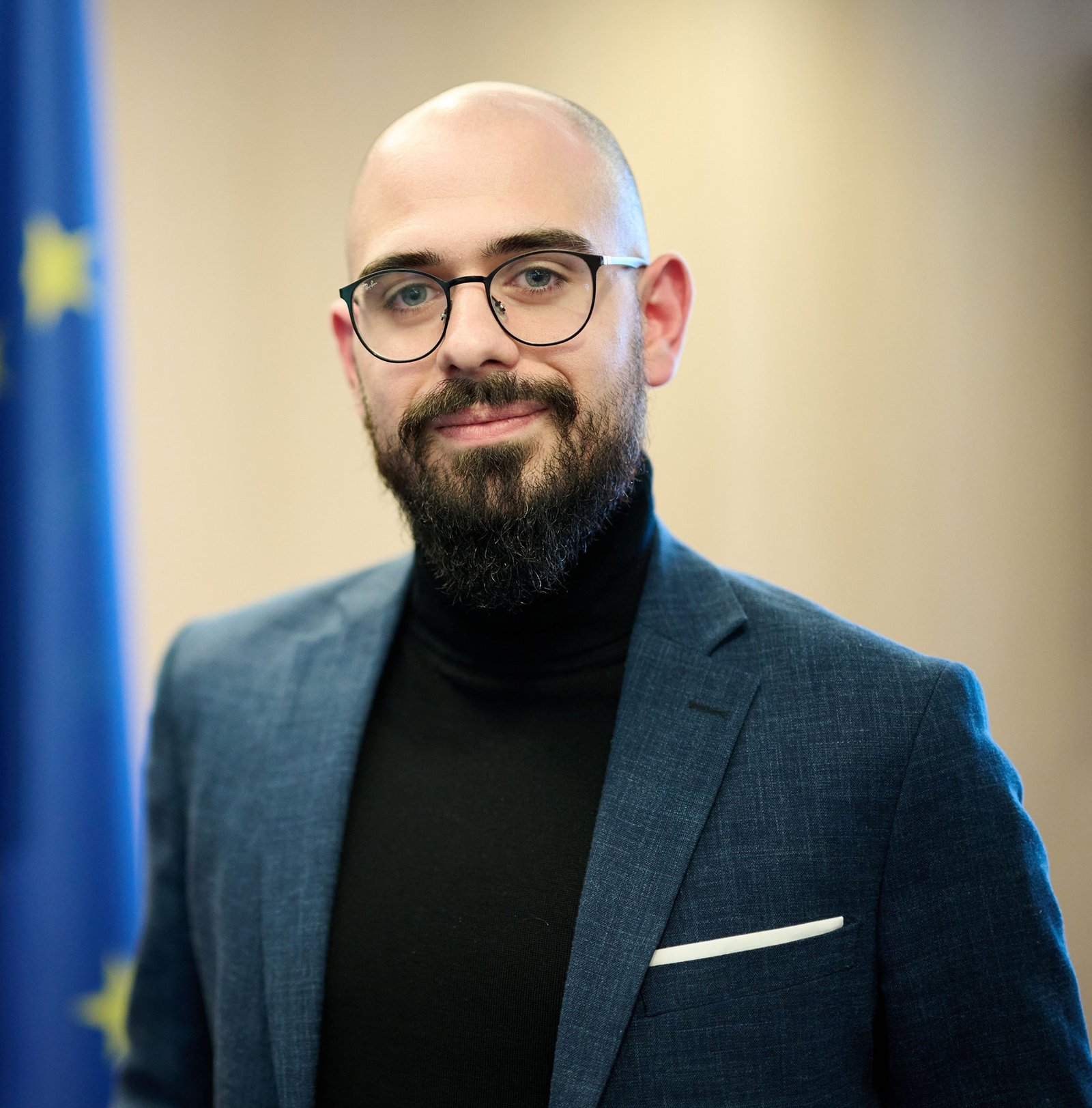
GMP
Founder · Host · Fellow Learner
I'm a marketer by background: five years across Vodafone, UBS, Mastercard, and EU institutions. My work has always been some version of the same thing; taking complex, messy problems and making them clear enough to act on.
Phronisis started as a personal frustration. Everything I found on critical thinking was either too academic, too slow, or completely disconnected from the things I actually dealt with. So I built what I couldn't find. As a fellow learner, not an expert. With one question in mind: can you make genuinely better thinking a daily habit?
I'm currently an EMMIE Erasmus Mundus scholar in Impact Entrepreneurship, based in Vilnius. I have a novel in progress, learning the piano, and offering a pass to anyone who wishes to debate with me: for what topic? Don't care!